Passive infrared sensors
Infrared radiation lies in the electromagnetic spectrum between visible light and microwaves. Infrared radiation is primarily thermal radiation and is generated by the movement of atoms and molecules in an object. This means that any object with a temperature above absolute zero, even an ice cube, emits radiation in the infrared range. The higher the temperature, the more the atoms and molecules move and the more infrared radiation they produce.
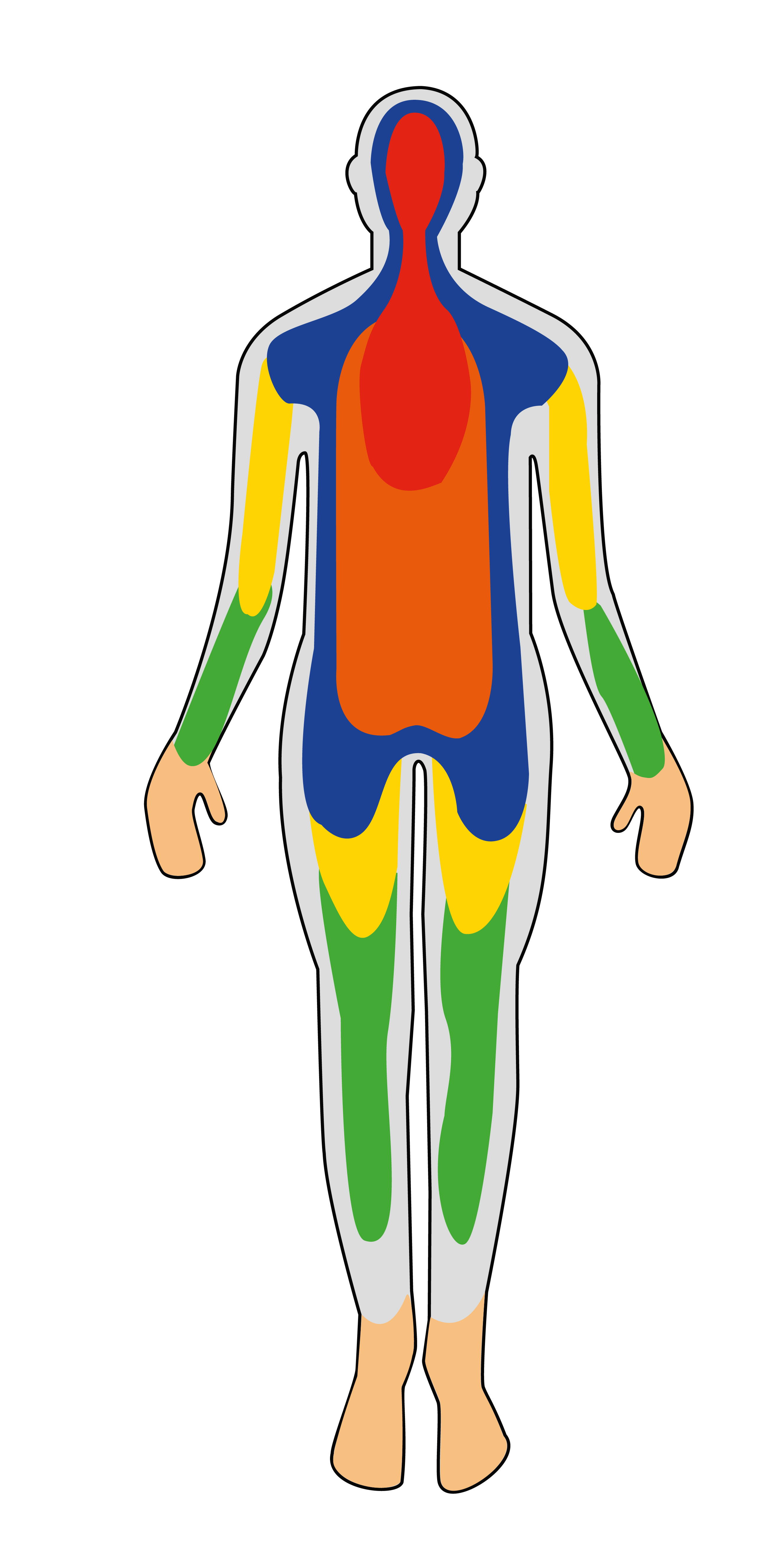
The infrared radiation produced by living beings is not homogeneous, which becomes clearly visible when using an infrared camera. Due to their body temperature of 37°C, humans radiate strongly in the infrared range, with a wavelength of around 10 µm. Different parts of the body emit different levels of radiation; the mouth, for example, is significantly warmer than the fingers. This means that the infrared radiation emitted by the mouth is correspondingly stronger than the radiation emitted by the fingers.
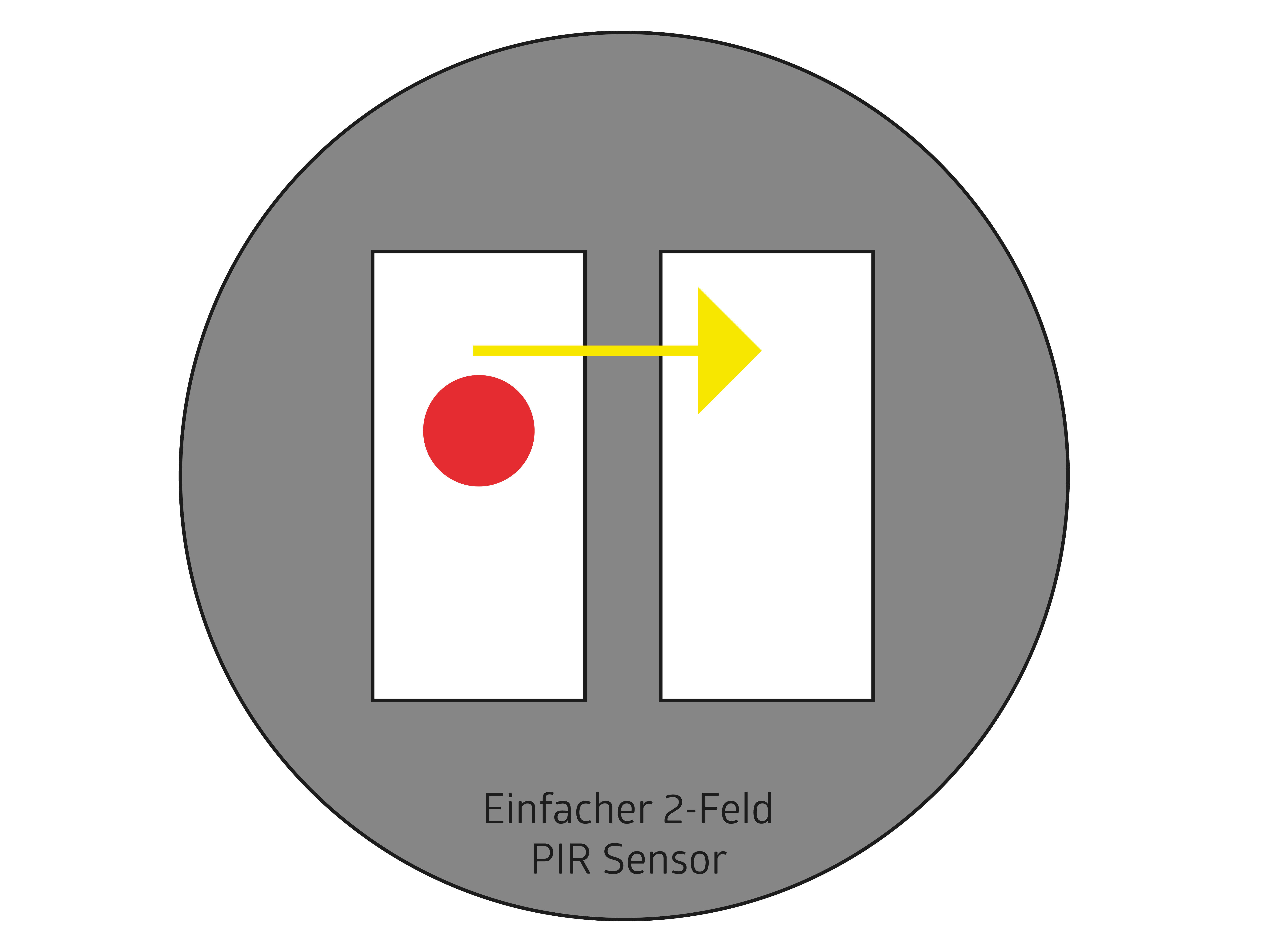
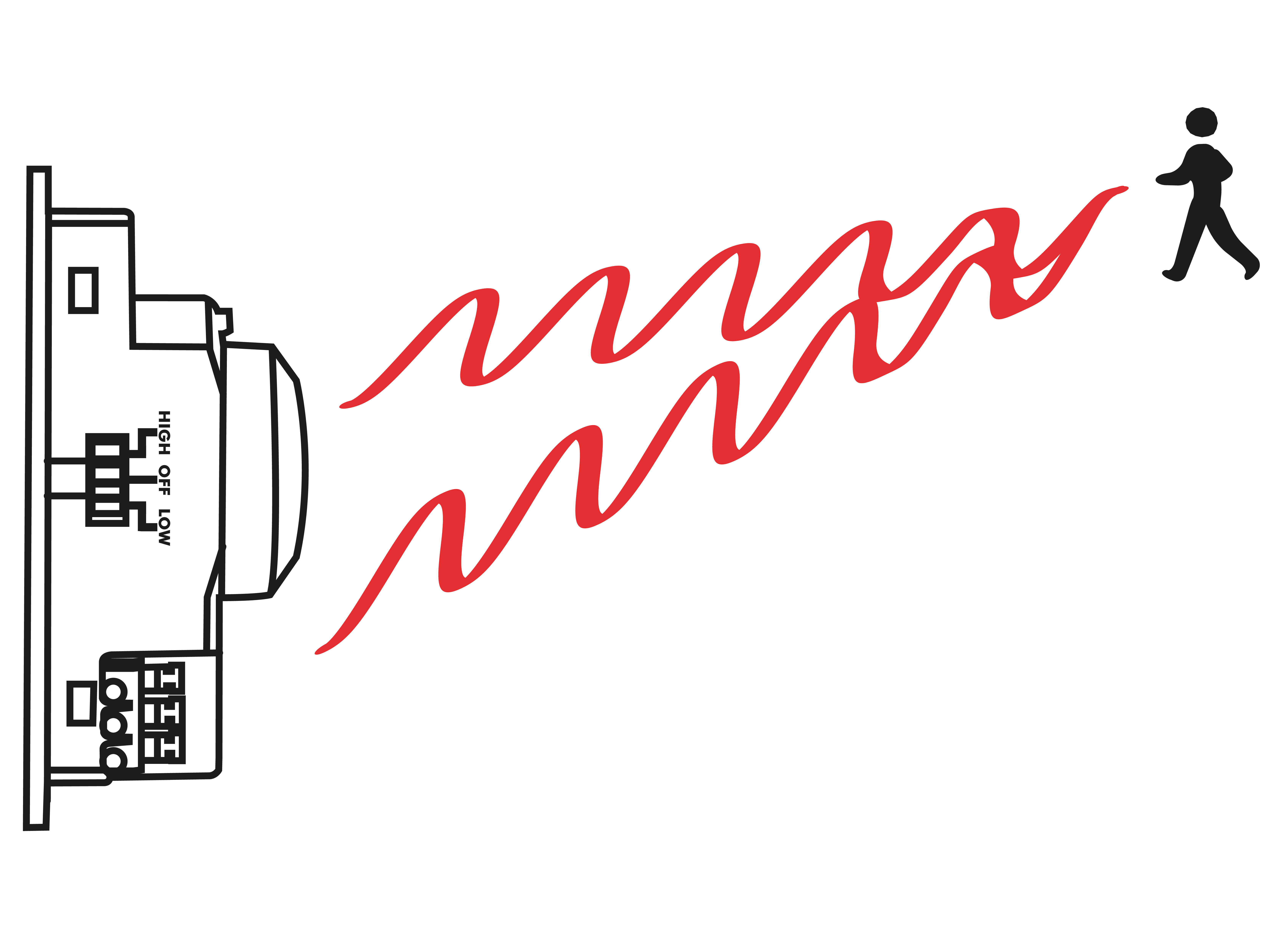
Passive infrared sensors (PIR sensors) also work in the wavelength range of 10 µm and enable the use of infrared radiation for motion detection, as they respond optimally to the heat radiation of a person or animal. Passive infrared means that the sensors do not emit any radiation, but only receive it. The detector then analyses the signals from the sensors and switches the light on accordingly.
Sensitivity of the sensors can be variably adjusted
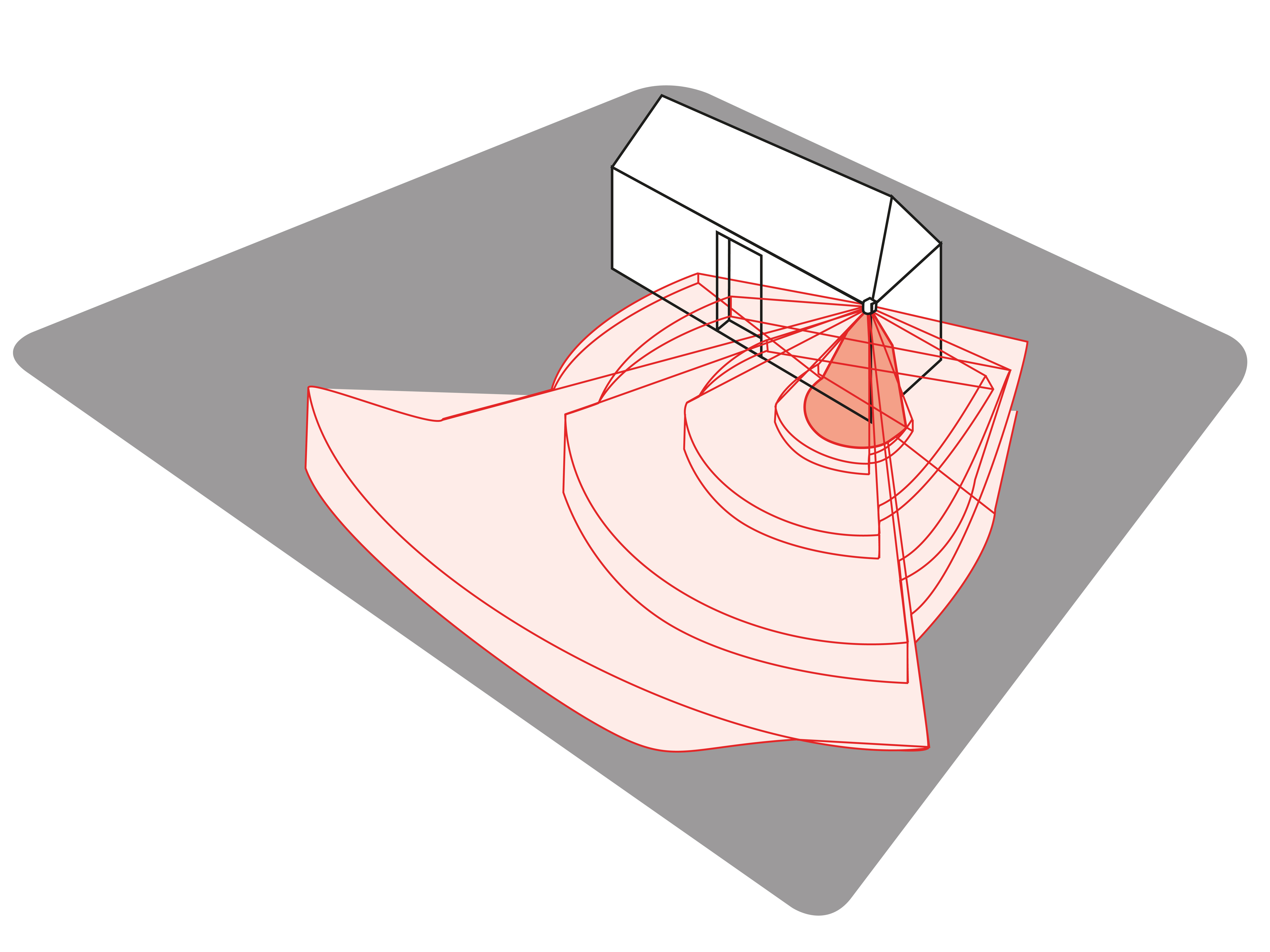
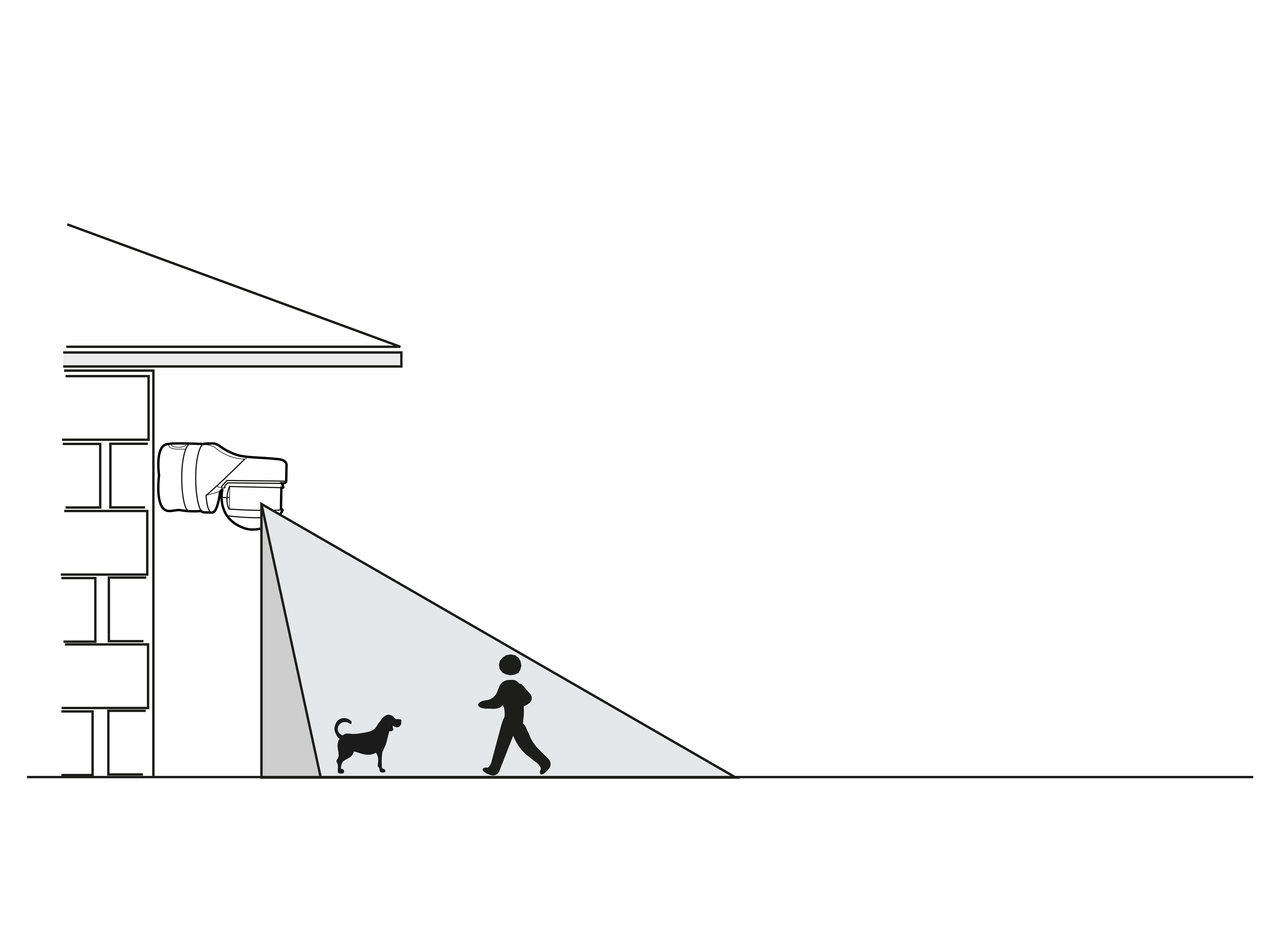
In order to detect movement, the IR rays must reach the sensors. As the radiation becomes weaker over the distance, the sensor can detect movement at a distance of 2 metres better than at a distance of 20 metres. However, movement can also be detected at a distance of 20 metres. This depends on how much heat is emitted. A mouse emits less heat than a person, while a locomotive in operation, for example on a company site, emits significantly more heat than a person.
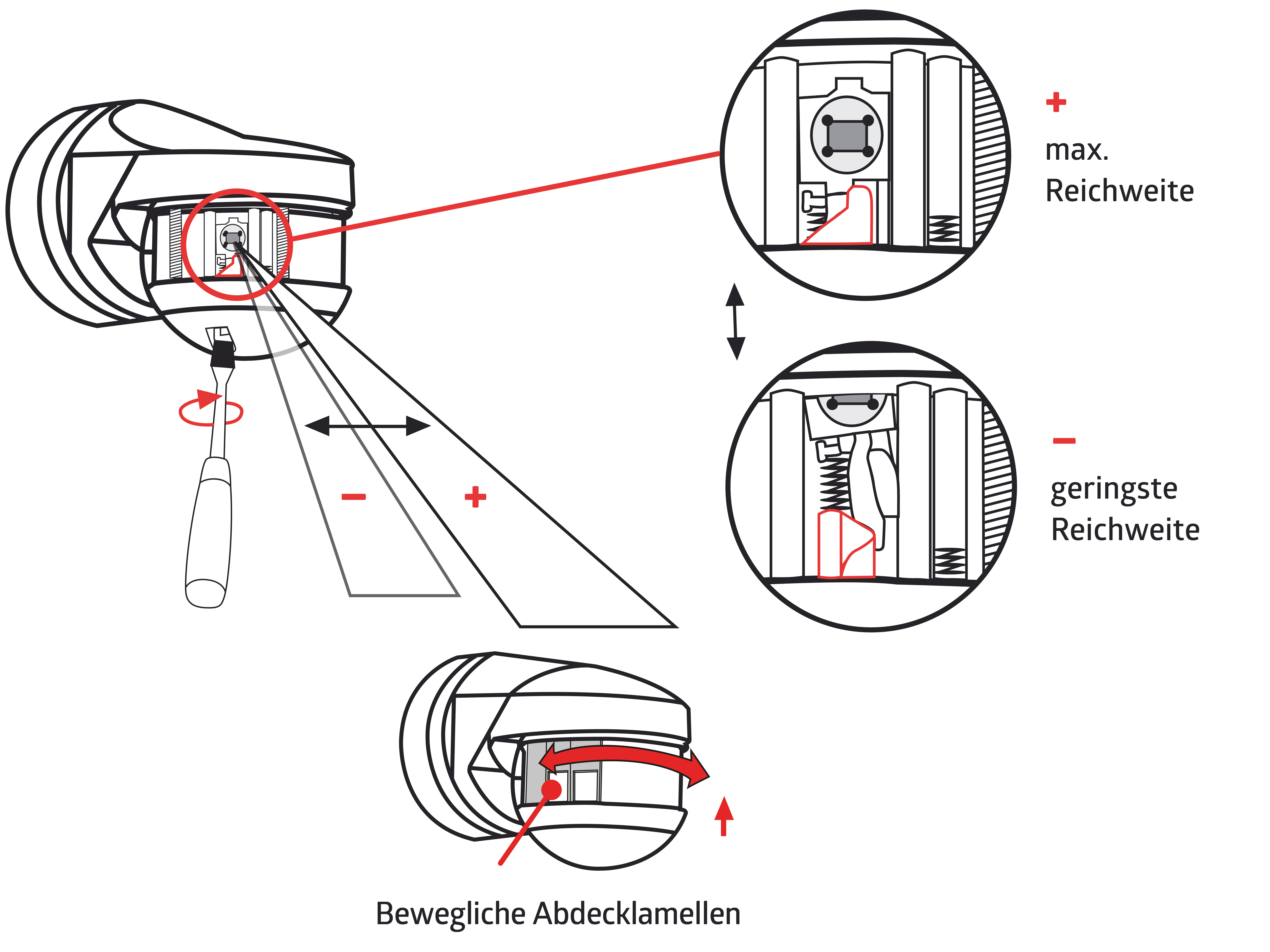
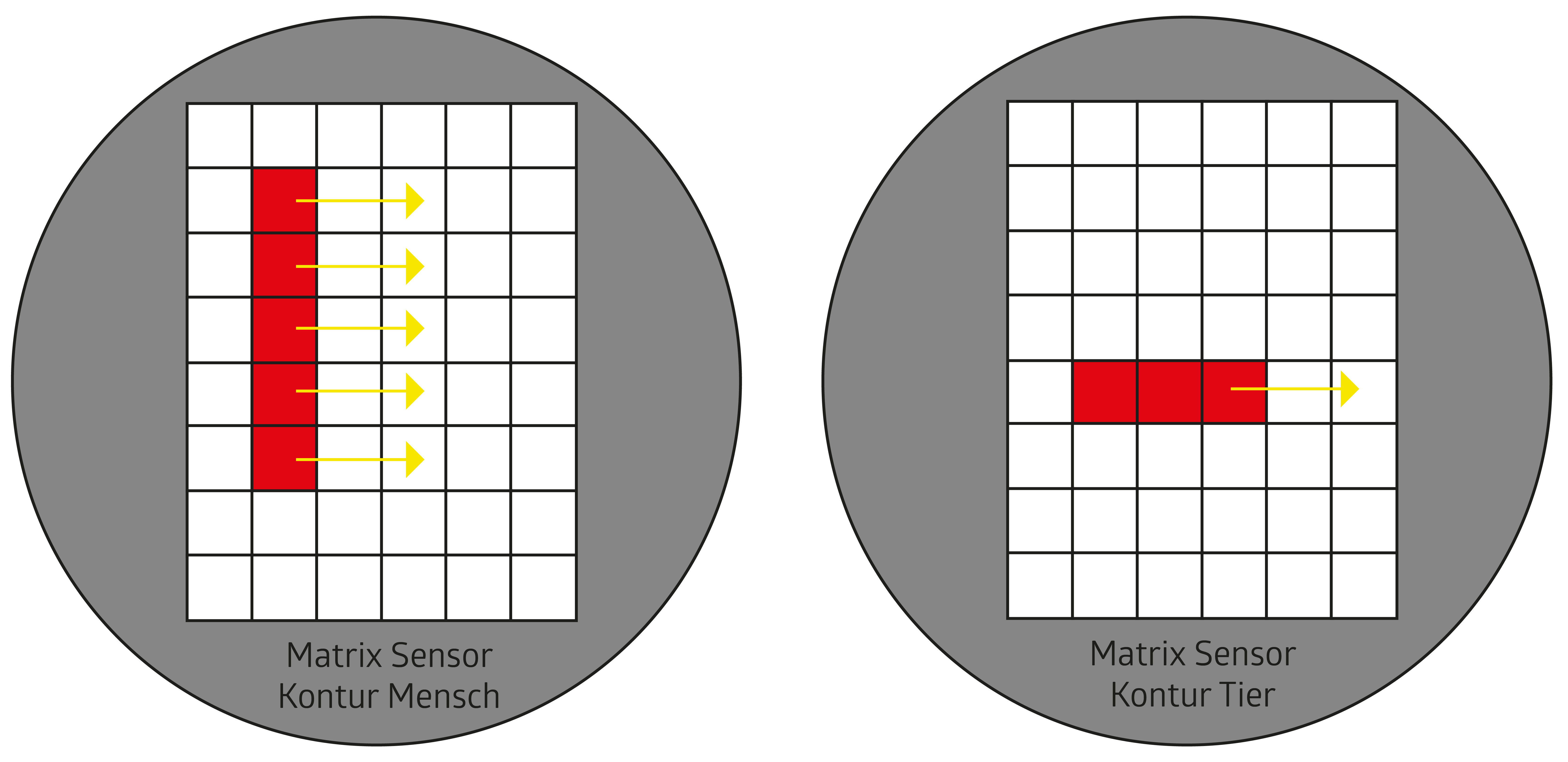
With good detectors, the sensitivity of the sensors can be variably adjusted. This setting determines the amount of heat above which the sensor should respond. Smaller amounts of heat, such as that of a cat, are faded out. However, the light can be switched on by the detector as soon as a larger dog radiates heat. However, if the sensitivity is reduced even further, there is a risk that the movements of small children will no longer be detected.








Follow us: